Mindful Hiking: How to Observe Wildlife Without Disturbing It
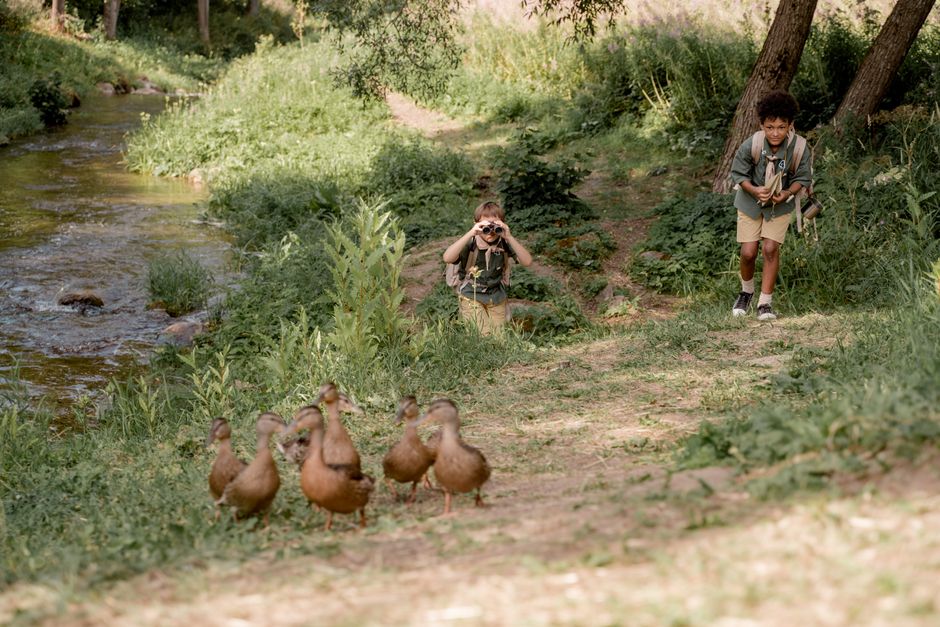
Hiking through natural areas offers opportunities to observe wildlife in its native environment. For many outdoor enthusiasts, the chance to see animals such as deer, birds, or smaller mammals is a highlight of the experience. However, the presence of humans can inadvertently stress wildlife, alter their natural behaviors, or even displace them from essential habitats. Practicing mindful observation helps reduce these impacts while still allowing for meaningful encounters.
Mindful hiking involves a deliberate approach to movement, awareness, and the use of tools. Instead of prioritizing the number of sightings or close proximity, the focus shifts to minimizing disturbance. This approach aligns with principles of Leave No Trace and ethical wildlife viewing. By understanding how animals perceive human presence and adjusting one’s actions accordingly, hikers can create conditions that are safer for both wildlife and themselves.
This article explores several practical methods for reducing human impact during wildlife observation. Quiet movement techniques, the proper use of binoculars, and respect for physical distance are central to this practice. Each element contributes to a broader framework of responsible behavior in natural spaces, where the well-being of animals and the integrity of their habitats remain primary considerations.
Understanding Wildlife Sensitivity to Human Presence
Animals have evolved to detect potential threats, and humans can trigger alarm responses even when no direct danger exists. Many species interpret sudden movements, loud noises, or close proximity as signs of predation. This can lead to increased heart rates, abandonment of nests or feeding sites, and chronic stress that affects reproduction and survival. The threshold for disturbance varies widely among species and even among individuals within a population.
Seasonal factors also influence sensitivity. During breeding, nesting, or winter months, animals may be more vulnerable to disturbance. For example, a bird incubating eggs may flush from its nest if a hiker approaches within a certain distance, leaving eggs exposed to temperature changes or predators. Similarly, mammals that are caching food for winter may abandon a foraging area if repeatedly startled. Understanding these patterns allows hikers to adjust their behavior accordingly.
Distance plays a critical role in minimizing disturbance. Research on flight initiation distance—the point at which an animal begins to flee—shows that it varies with habitat, species, and the nature of the approach. Maintaining a buffer of at least 50 to 100 yards for larger mammals and 10 to 25 yards for birds is a general guideline, though no single rule applies universally. By observing an animal’s posture and movement, a hiker can gauge whether it remains calm or is becoming agitated.
Techniques for Quiet and Deliberate Movement
Moving through a landscape with minimal noise and visual disruption requires attention to both foot placement and body mechanics. Soft-soled shoes or boots can help reduce the sound of footsteps on dry leaves or gravel. Walking on existing trails whenever possible also limits the creation of new paths that fragment habitats. When stepping off-trail is necessary, choosing surfaces like grass or moss over crunchy debris reduces auditory cues.
Pacing is another factor. Slow, deliberate steps produce less noise than hurried strides. Pausing frequently allows the eyes and ears to adjust to the environment, often revealing wildlife that would otherwise remain unnoticed. These pauses also give animals time to assess the hiker and resume their natural activities if they perceive no threat. Avoiding sudden arm movements or rapid changes in direction further reduces visual signals that might be interpreted as dangerous.
Group dynamics can amplify disturbance. Larger groups create more noise and visual commotion, so keeping group sizes small or spreading out along the trail with communication kept to quiet whispers or hand signals can help. If hiking with children or beginners, explaining the purpose of quiet movement beforehand encourages cooperation. Wild Trails, a brand that promotes low-impact outdoor experiences, offers resources and guided practices for those interested in refining such techniques.
Using Binoculars and Optics Effectively
Optical tools such as binoculars, spotting scopes, or even camera lenses allow hikers to observe wildlife from a greater distance without approaching too closely. This reduces the likelihood of triggering a flight response. Choosing equipment with an appropriate magnification and field of view is important. Magnifications of 8x to 10x are common for general wildlife observation, as they offer a balance between detail and stability.
Before raising binoculars, it is helpful to locate the animal with the naked eye and note its position relative to landmarks. This minimizes the time spent fumbling with focus when the lenses are in use. Once the binoculars are up, keeping both eyes open can help maintain spatial awareness and reduce the disorientation that sometimes occurs when switching between magnified and unmagnified views. Some hikers prefer using a neck strap or harness to keep optics accessible without affecting balance.
Sunlight and weather conditions affect visibility. Early morning and late afternoon typically provide softer light that reduces glare and enhances color contrast. Using lens hoods or simply shielding the optics with a hand can prevent flare. After observing, storing binoculars in a padded case protects them from dust and impact. Proper care extends the life of the equipment and ensures reliable performance during future outings.
Reading Animal Behavior as a Guide to Distance
Animals often give clear signals when they are uncomfortable with a hiker’s presence. Common indicators include freezing in place, turning the head to stare, changes in vocalization, tail flicking, or ears rotating toward the disturbance. For example, a deer that stops feeding and lifts its head high is likely assessing whether to flee. A bird that begins alarm-calling may be warning others of potential danger. Recognizing these cues allows a hiker to adjust position or retreat before causing stress.
Ignoring these signals can escalate the situation. An animal that remains tense but does not flee may still be experiencing elevated stress hormones. Repeated exposure to such encounters can lead to habituation, where animals become less fearful of humans. While this may sound beneficial, it often results in animals taking risks near roads, homes, or other hazards. Maintaining a respectful distance helps preserve the natural wariness that keeps wildlife safe.
Approaching from a downwind direction can also reduce detection, as many animals rely on scent to identify threats. However, intentionally pursuing an animal solely for a closer look is not recommended. The goal is observation without interference. If an animal shows signs of agitation, the appropriate response is to create more space. Moving slowly backward or taking a wider detour demonstrates respect for the animal’s comfort zone.
Respecting Habitat Boundaries and Leave No Trace Principles
Wildlife habitats extend beyond the obvious sightlines of trails. Resting areas, feeding grounds, water sources, and nesting sites are all part of a complex web that animals rely on. Even a temporary human presence can disrupt these zones. Staying on designated trails reduces trampling of vegetation and prevents soil compaction that affects plant growth and invertebrate populations. When wandering off-trail for a closer look, stepping on rocks or bare ground rather than sensitive plants minimizes impact.
Food and waste left behind by hikers can attract animals, leading to dependency on human food or encounters that end poorly for both parties. Storing all food in bear-proof containers or hanging it away from camp prevents these issues. Likewise, cleaning up micro-trash such as wrappers, bottle caps, and tape helps keep habitats free of foreign materials. The principle of leaving no trace applies not only to physical objects but also to the energetic trace of human presence—noise, scent, and visual clutter all contribute.
Photography is another area where boundaries matter. Using a telephoto lens instead of moving closer allows for clear images without intrusion. Using flash, even during daylight, can startle animals and should be avoided. If an animal seems aware of being photographed and alters its behavior, the distance is likely too small. The most rewarding wildlife photography often comes from patience and stillness, waiting for an animal to move into the frame rather than chasing a shot.
In summary, mindful hiking is a continuous practice of awareness and adjustment. Each decision—where to step, when to pause, how to use optics—shapes the experience for both the observer and the observed. By prioritizing the welfare of wildlife and the health of their habitats, hikers can enjoy deep connections with nature while ensuring that future visitors have the same opportunities. The tools and techniques discussed here offer a foundation for anyone seeking to explore wild spaces responsibly.