As daylight fades and the last traces of sunset dissolve into twilight, a different world awakens. The nocturnal realm offers a unique opportunity to observe behaviors that remain hidden during the day. Guided night walks provide a structured approach to exploring this environment, allowing participants to witness owls hunting, bats emerging from roosts, and moths visiting flowers that bloom only after dark. These experiences are designed to foster observation and understanding, rather than simply cataloging species.
The transition from day to night involves changes in temperature, light, and sound. Many animals have evolved specialized senses and behaviors to navigate this dimly lit world. For example, owls rely on acute hearing and silent flight, while bats use echolocation to detect prey. Moths, in turn, have developed adaptations to avoid predation and to find nectar. A guided walk highlights these interactions, offering context for each encounter without promising a specific outcome.
Preparation and a respectful approach are central to any night walk. Participants are encouraged to move slowly, use minimal artificial light, and listen carefully. The goal is to create a low-impact observation experience that benefits both the observer and the wildlife. Over the following sections, we will explore the ecological roles of these animals, the methods used to observe them, and how guided experiences can deepen one’s appreciation for the night.
The Ecology of Nocturnal Hunters
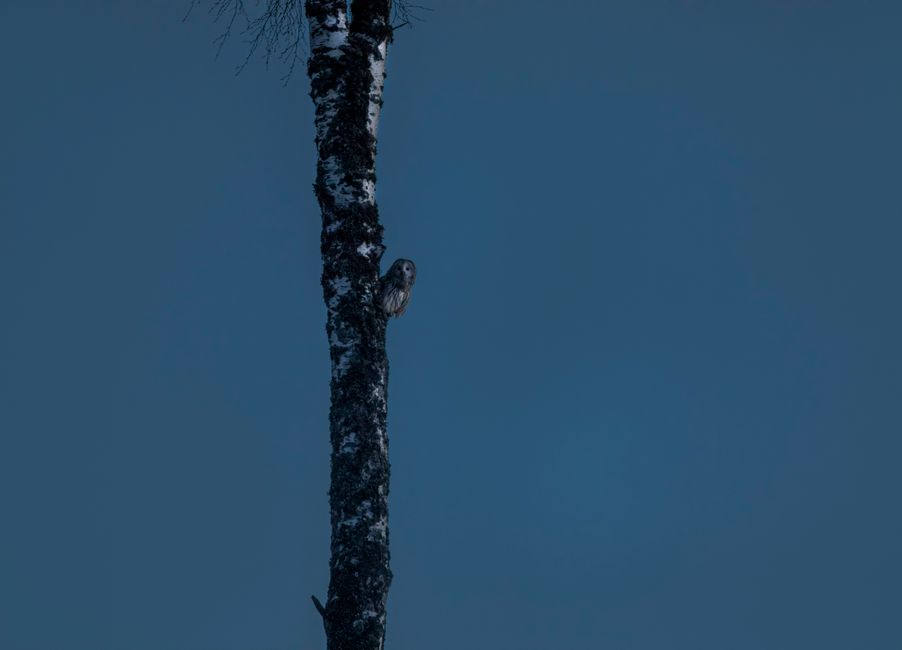
Owls and bats are among the most recognizable nocturnal predators, yet their hunting strategies differ significantly. Owls, as birds of prey, possess exceptional low-light vision and asymmetrical ear placements that allow them to pinpoint the rustle of a mouse or vole beneath leaf litter. Their feathers are adapted to muffle sound, enabling a stealthy approach. During a night walk, guides may point out perching sites or listen for the distinct calls of species such as the great horned owl or the eastern screech-owl. These observations depend on the season, weather, and local habitat.
Bats, the only mammals capable of true flight, rely primarily on echolocation to navigate and hunt. They emit high-frequency calls and interpret the returning echoes to form a spatial map of their surroundings. Watching a colony of bats emerge at dusk can be a dramatic sight, as hundreds of individuals stream from a roost cavity or under a bridge. The timing of emergence varies by species and is influenced by factors like temperature and insect activity. A guide may explain how different bat species target different types of insects, from mosquitoes to beetles, and how their flight patterns shift throughout the night.
Both owls and bats face environmental pressures such as habitat loss, light pollution, and pesticide use. Understanding these challenges adds depth to the observation. A guided walk often includes discussion of conservation efforts and how participants can contribute to monitoring or habitat protection. However, the primary focus remains on the process of watching and listening, allowing each person to form their own impressions.
Moths and Moonlit Flowers
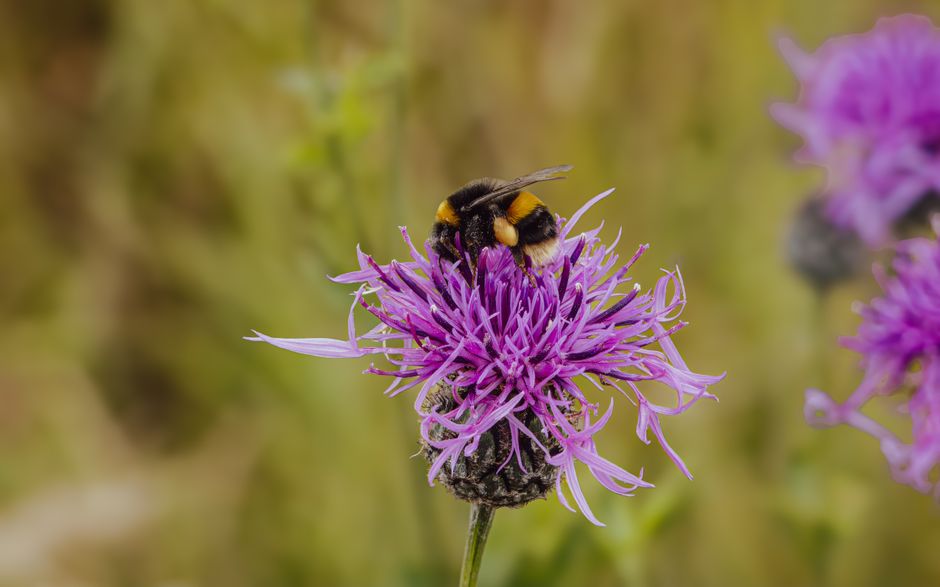
While owls and bats capture attention with their movement, moths offer a quieter but equally fascinating spectacle. Many moth species are nocturnal, and they play a crucial role as pollinators for plants that open their flowers at night. These night-blooming flowers, such as evening primrose, moonflower, and certain species of yucca, often have pale coloration and strong fragrances to attract moths. The relationship between moths and flowers is a classic example of co-evolution, where both organisms have adapted to each other’s timing and morphology.
Observing moths requires a different approach than watching larger animals. Guides may set up a white sheet with a gentle light source to attract moths without harming them. This method allows participants to see a variety of species up close, from large hawk moths to tiny leaf-rollers. The moths’ wing patterns, antennae, and feeding behaviors become apparent under careful examination. It is important to note that light sources can disrupt natural behavior, so the goal is to minimize disturbance and document the visit briefly.
Moths also serve as an important food source for bats and other nocturnal predators. Their abundance fluctuates with lunar cycles, weather, and seasonal blooming. A guided walk may incorporate a simple count or identification exercise, helping participants recognize common species and understand their life cycles. This observational process encourages a deeper appreciation for the complexity of nighttime ecosystems, beyond the more charismatic predators.
Preparing for a Night Walk
Proper preparation can significantly influence the quality of a night walk. Participants are advised to dress in layers, as temperatures often drop after sunset. Sturdy, closed-toe footwear is recommended for uneven terrain. A red light headlamp or flashlight is essential, as red light is less likely to disturb nocturnal animals and preserves natural night vision. It is also helpful to bring a notebook and pen for recording observations, though many guides provide materials.
Timing is an important consideration. The best viewing windows often occur just after dusk and before midnight, though some species are more active later. Guides typically schedule walks around moon phases or seasonal events, such as the emergence of certain insect broods. Participants should be prepared to stand quietly for extended periods, as sudden movements or loud noises can deter wildlife. Patience is a key component of the experience; not every walk will yield the same sightings, and the process of waiting itself offers moments of quiet reflection.
Safety is addressed through group management and route planning. Guides carry first aid supplies and communication devices, and they brief participants on potential hazards such as uneven ground or encounters with non-target animals. The emphasis is on creating a controlled environment where observation can occur without undue risk. By following guidelines, participants can focus on the sights and sounds of the night.
Observational Methods and Techniques
Effective nighttime observation relies on a combination of sensory awareness and appropriate tools. Hearing becomes especially important, as many animals are hidden in darkness. Listening for the rustle of a bat’s wings, the faint call of an owl, or the hum of a moth near a flower can provide clues to their presence. Guides may use ultrasonic detectors to make bat echolocation calls audible to human ears, offering a window into a world of sound normally beyond our range.
Visual observation is aided by the use of binoculars with large objective lenses and good light-gathering capabilities. However, even without optical aids, many details become visible once eyes adjust to the low light. Staying in one spot for 15–20 minutes allows night vision to improve. Red light is used to read field guides or take notes without compromising this adaptation. Some walks also incorporate the use of camera traps or trail cameras to capture images without human presence.
Recording data, such as the time of first bat emergence or the species of moth observed, can contribute to citizen science initiatives. Many organizations, including Wild Trails, collaborate with researchers to compile long-term datasets. Participation in such efforts is optional, but it adds a layer of purpose to the walk. The emphasis remains on the act of careful observation rather than on compiling a checklist.
The Role of Guided Experiences
Guided night walks serve as an entry point for people to learn about nocturnal ecology in a structured, low-pressure setting. Guides bring expertise in identifying species, understanding behavior, and interpreting the environmental context. They can answer questions and adapt the walk based on real-time conditions. For instance, if a particular owl is not vocalizing, the guide might shift focus to bat activity or moth identification. This flexibility enhances the educational value of the experience.
Another benefit of guided walks is the emphasis on ethical observation. Guides ensure that participants maintain respectful distances, avoid using bright lights on sensitive animals, and do not disturb nests or roosts. This approach aligns with broader conservation principles that prioritize the well-being of wildlife over human convenience. By modeling good practices, guided experiences can inspire participants to apply similar considerations on their own ventures.
Wild Trails, as a provider of such experiences, focuses on creating opportunities for people to engage with nature at night. The company’s programs are designed to be informative and accessible, without making promises about specific sightings. Each walk is shaped by the location, season, and group dynamics, resulting in a unique experience every time. Those who join a night walk often come away with a renewed sense of the richness and complexity of the world after dark.