The Secret Life of Bees: Native Pollinators You Should Know
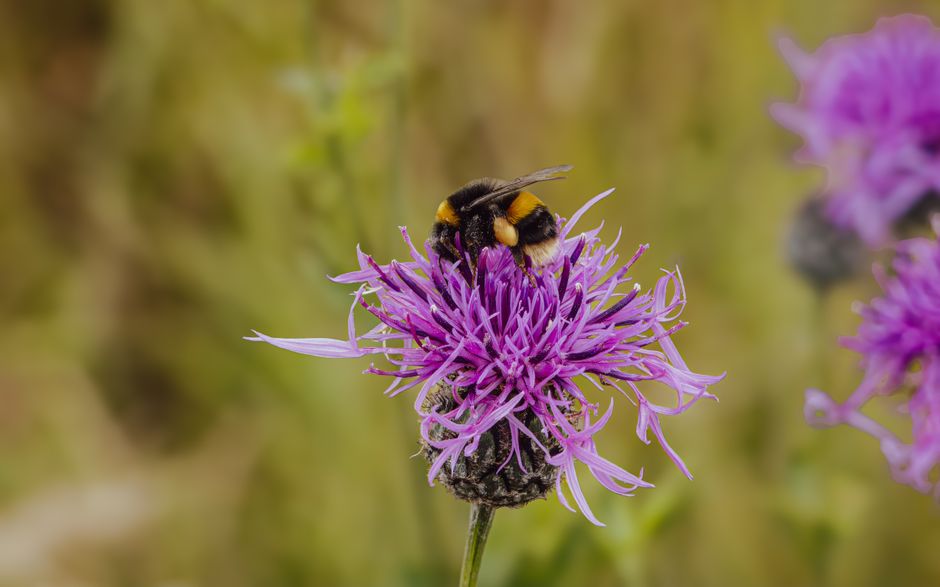
Native bees are essential pollinators in many ecosystems, yet their lives remain largely hidden. While the honeybee often takes center stage in discussions about pollination, North America is home to thousands of native bee species, each with unique behaviors and ecological roles. Among these, bumblebees, mason bees, and sweat bees stand out as common and important groups that contribute to the health of both natural landscapes and cultivated gardens. Understanding their life cycles and habitat requirements can provide a foundation for supporting their presence.
The purpose of this article is to explore the distinctive characteristics of these native pollinators and to examine process-oriented approaches that may help sustain their populations. Rather than focusing on guaranteed outcomes, the discussion emphasizes context, methodology, and the many interacting factors that influence bee activity in any given area. By learning about the specific needs of different bee species, individuals can make informed decisions about garden management and land stewardship.
The Hidden World of Native Bees
North America hosts over four thousand species of native bees, each adapted to specific local conditions. Their sizes range from tiny sweat bees barely visible to the eye to large bumblebees with a wingspan of several centimeters. Nesting habits vary widely; some bees dig tunnels in the ground, while others use hollow stems or abandoned beetle burrows. Social structures also differ, with some species living in colonies and others leading solitary lives. This diversity reflects a long evolutionary history intertwined with native flora. Many of these bees have specialized relationships with certain plants, relying on them for pollen and nectar. The loss of natural habitats and the widespread use of pesticides have placed pressure on many native bee populations, making conservation efforts increasingly relevant.
Understanding this diversity is not simply a matter of curiosity. It informs how gardens, farms, and natural areas can be managed to provide suitable resources for different bee species. Each group has distinct requirements for nesting sites, foraging plants, and seasonal rhythms. By recognizing these nuances, land managers and gardeners can adopt strategies that align with the ecological needs of local bees.
Bumblebees: Social Colonies and Buzz Pollination
Bumblebees are among the most recognizable native pollinators. They form annual colonies led by a single queen that emerges from hibernation in early spring. The queen locates a suitable nest site, often an abandoned rodent burrow or a dense clump of grass, and begins building wax cells for her first brood. As workers emerge, the colony expands, and foraging activity increases throughout the summer. Bumblebees possess a unique ability called buzz pollination, where they vibrate their flight muscles to release pollen from tightly held anthers. This technique is essential for plants such as tomatoes, blueberries, and cranberries. Because bumblebees can fly in cooler temperatures and overcast conditions, they extend the pollination window for many crops and wildflowers.
Supporting bumblebees often involves preserving areas of undisturbed soil and vegetation. Leaving patches of tall grass, brush piles, or uncultivated edges may provide potential nesting sites. Mowing less frequently and avoiding deep tillage can also help maintain the ground structure that bumblebees require. The availability of diverse, continuous bloom from spring through fall is crucial for colony development. Observing which flowers bumblebees visit in a local area can guide plant selection for pollinator-friendly landscapes.
Mason Bees: Solitary and Efficient Early Pollinators
Mason bees belong to the genus Osmia and are solitary cavity-nesting bees. Unlike bumblebees, each female works alone, constructing her own nest in pre-existing cavities such as hollow reeds, beetle tunnels, or man-made bee blocks. She uses mud to build partitions between cells, where she lays an egg and provisions it with a mixture of pollen and nectar. Mason bees are among the first bees to emerge in early spring, coinciding with the bloom of fruit trees and early wildflowers. Their bodies are covered with dense hairs that efficiently collect and transport pollen, making them highly effective pollinators for apples, cherries, and almonds. In fact, a single mason bee can visit thousands of flowers in a day.
To support mason bees, gardeners may provide artificial nesting structures made from untreated wood or bamboo tubes placed in a sheltered location. However, the presence of such structures does not guarantee occupation; local populations, weather conditions, and the availability of nearby mud for nest building all play a role. It is also important to avoid using pesticides near nesting sites. Cleaning or replacing nesting materials periodically can help reduce the spread of parasites and diseases. Leaving some dead stems and natural cavities in the garden can supplement artificial options.
Sweat Bees: Small Pollinators with a Broad Impact
Sweat bees, primarily in the family Halictidae, are often overlooked due to their small size. Many species have a metallic sheen, appearing green, blue, or bronze. They are called sweat bees because they are attracted to human perspiration, from which they obtain salts and moisture. Most sweat bees are ground-nesting, excavating tunnels in bare, well-drained soil. They are generalist foragers, visiting a wide range of flowering plants, including many crops such as alfalfa, sunflowers, and squash. Their activity spans the entire growing season, contributing to the pollination of both wild and cultivated plants. Some species are social or semi-social, with small colonies, while others are solitary.
Because sweat bees nest in the ground, preserving patches of bare soil or using mulch that allows access can be beneficial. Soil compaction should be minimized in areas where sweat bees are observed. Providing a diversity of flowering plants, especially native species with shallow flowers, can attract these bees. Sweat bees are generally less aggressive than other pollinators, and their presence indicates a healthy, well-functioning local ecosystem. Observing their behavior and noting which plants they frequent can offer insights into the effectiveness of habitat enhancements.
Creating Habitat for Native Pollinators: A Process-Oriented Approach
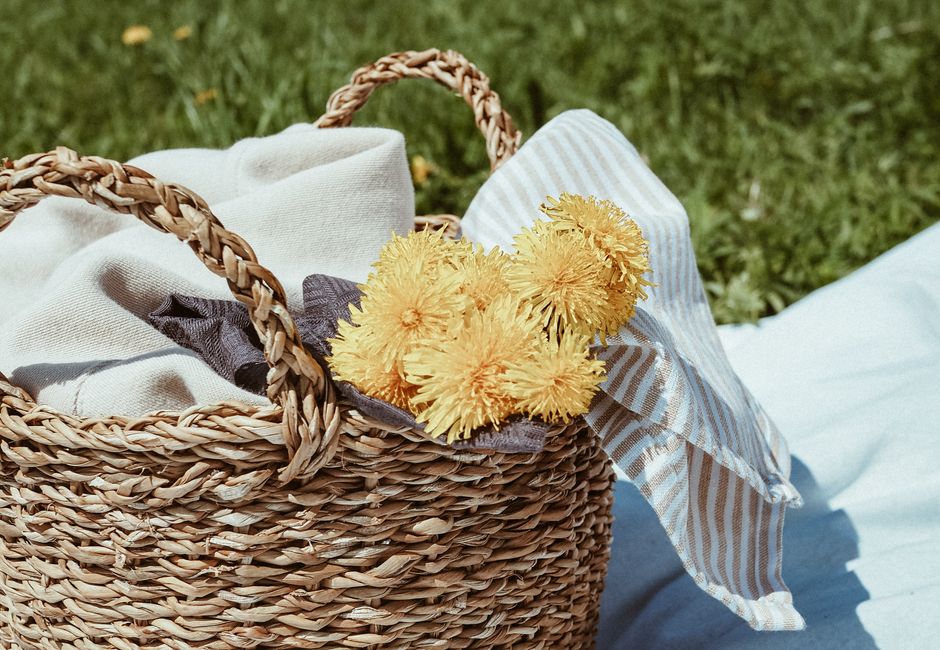
Supporting native bees involves more than simply planting flowers. It requires understanding the specific resources each group needs and recognizing that outcomes depend on many variables. A process-oriented approach emphasizes observation, adaptation, and the gradual improvement of habitat conditions. Gardeners might start by assessing current vegetation, soil types, and existing bee activity. Introducing a variety of native plants that bloom sequentially from early spring to late fall can provide a continuous food supply. For example, early bloomers like willow and dandelion can support emerging bumblebee queens and mason bees, while later flowers like goldenrod and asters sustain sweat bees and bumblebee workers preparing for winter.
Nesting resources are equally important. Leaving dead stems, brush piles, and areas of undisturbed soil can offer potential nest sites for different species. Installing bee houses for cavity-nesters like mason bees may be considered, but regular maintenance is needed to prevent disease. Avoiding the use of pesticides, especially during bloom periods when bees are actively foraging, is one of the most impactful steps. If pesticide use is unavoidable, applying them in the evening when bees are less active and choosing products with lower toxicity can reduce harm. Providing a shallow water source with stones or floating cork can help bees access water safely. Ultimately, each garden or landscape is part of a larger network. Collaboration with neighbors and community efforts to create pollinator corridors can amplify the positive effects over time.