Tracking Coyotes: Reading Signs in Snow and Mud
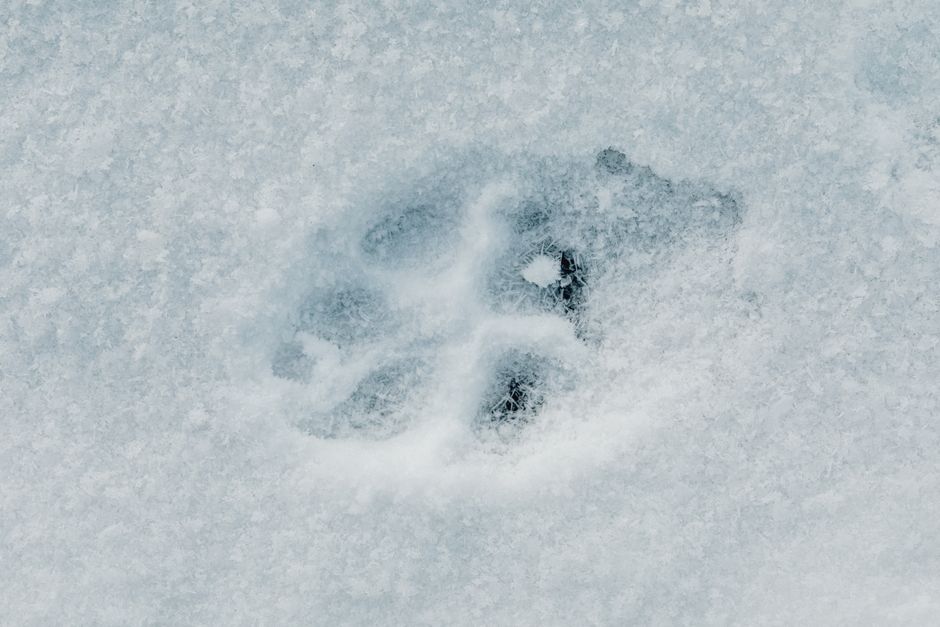
Winter offers a unique opportunity to observe the presence of coyotes through the signs they leave behind. Snow and mud become natural canvases that record movement, feeding habits, and social interactions. Learning to read these signs provides insight into how coyotes navigate their environment during colder months. This process relies on careful observation and an understanding of basic track and sign morphology, rather than any guarantee of locating animals themselves.
Tracking coyotes involves more than identifying a single footprint. It requires recognizing patterns in gait, interpreting scat content, and noticing subtle fur or hair deposits. Each sign contributes to a broader picture of behavior and habitat use. The following sections outline common approaches used by trackers to interpret coyote signs in snow and mud, with an emphasis on methodology and context rather than definitive conclusions.
Weather conditions, substrate type, and the age of the sign all influence what can be read. Fresh snow or moist mud holds details more clearly, while older or melting impressions may obscure characteristics. Observers should approach each sign as a piece of information that, when combined with others, helps build a more complete understanding of local coyote activity.
Understanding Coyote Track Morphology
Coyote tracks typically show four toes and a triangular-shaped pad. The heel pad often has three distinct lobes at the rear, with the front edge showing a somewhat concave curve. Claw marks are usually visible, especially in soft mud or fresh snow, and they tend to be narrow and sharp. The overall shape is more oval than round, with the front feet slightly larger than the hind feet.
In snow, track details can become exaggerated due to melting or compression. A track that appears large may actually be a result of snow settling around the foot. When measuring, it is helpful to look for the clear impression of the pad and toes. In mud, fine details such as the texture of the pad and the spacing between toes are often preserved well. The depth of the impression can also indicate the weight and speed of the animal, though many factors influence this.
Trackers often note the presence of negative space—areas where the foot did not press down. For example, the space between the toes and the pad can reveal whether the foot was spread wide, which sometimes occurs on slippery or uneven ground. These subtle observations help distinguish a coyote track from that of a domestic dog or other canid.
Distinguishing Coyote Tracks from Other Canids
One of the most common challenges in tracking is differentiating coyote tracks from those of domestic dogs. While there is overlap in size and shape, several consistent features can help. Coyote tracks tend to be more symmetrical and aligned along a straight line, especially when the animal is traveling at a steady gait. Dogs often leave tracks that wander more, with a less direct pattern.
The pad shape of a coyote is generally narrower and more triangular compared to the broader, more rounded pad of a dog. Claw marks on coyote tracks are typically finer and less blunt, and they often register deeper because the claws are not as worn down. In snow, the contrast between the track and the surrounding surface can highlight these differences. In mud, the texture of the pad—often more textured and less smooth—may be visible.
Another distinguishing factor is the relationship between the front and hind tracks. Coyotes often place their hind feet close to or directly into the impressions of their front feet, a pattern known as direct registering. This efficient walking style reduces energy expenditure and is less common in domestic dogs. However, this pattern can vary with speed and terrain, so it should be considered alongside other features.
Reading Coyote Scat and Fur Signs
Scat provides information about diet and health. Coyote scat is typically tubular with tapered ends, and its content reflects recent meals. In winter, it often contains hair, bone fragments, and seeds from berries that persist on plants. The presence of small mammal fur, such as from voles or rabbits, indicates hunting success in snow-covered fields. Scat may also contain artificial materials if the animal has been scavenging near human settlements.
Fur or hair left on fences, logs, or low branches can indicate marking behavior or where a coyote squeezed through a tight space. In winter, guard hairs are often longer and coarser, and they may be visible on snowbanks or near den sites. These signs are usually found along travel corridors or near food sources. The color of the fur—typically grayish-brown with black tips—can help confirm the species when examined closely.
Trackers can also note the location and frequency of scat deposits. Scat placed on prominent objects like rocks or trail intersections often serves as a territorial marker. In mud, the imprint of scat can be found if it was deposited recently and then exposed to rain or thaw. Combining scat observations with track patterns provides a more complete picture of how coyotes use an area.
Interpreting Track Patterns and Behavior
Beyond individual tracks, the arrangement of multiple prints reveals gait and behavior. A direct line of tracks with evenly spaced steps suggests a steady trot or walk, often used during routine travel. When tracks appear in pairs or clusters, the coyote may have been pausing to investigate something or moving at a slower pace. In snow, bounding patterns with groups of four prints close together indicate a pursuit or play behavior.
Changes in substrate can also affect track patterns. On icy or crusted snow, tracks may be shallow or incomplete, and the animal may alter its gait to maintain stability. In deep, soft snow, tracks become larger and more irregular as the coyote’s legs sink deeper. Muddy areas near water sources often show clear impressions, including the tail drag if the coyote was moving cautiously.
Observing the distance between consecutive tracks helps estimate speed. A shorter stride often correlates with a slower, more deliberate pace, while longer strides indicate faster movement. However, this relationship is influenced by body size, terrain, and individual variation. Trackers consider multiple measurements over several strides rather than relying on a single example.
Habitat Preferences in Winter
Coyotes in winter tend to use areas that offer both cover and access to prey. Forest edges, brushy fields, and riparian corridors provide shelter from wind and concealment during hunting. Snow depth influences movement; coyotes often travel on packed trails made by other animals or humans, as these require less energy. In open areas, they may follow fence lines or creek beds where snow is shallower.
Scat and track concentrations near agricultural fields or suburban edges indicate regular use of these transitional zones. During periods of deep snow, coyotes may shift their activity to areas with more abundant small mammals, such as meadows with tall grass that remains above the snow. Observers might find a network of trails connecting bedding sites, feeding areas, and water sources.
Understanding these habitat preferences helps trackers predict where signs are most likely to be found. However, individual coyotes may deviate from these patterns based on food availability, human disturbance, or social dynamics. Each track or sign should be considered within the specific context of the landscape and recent weather conditions.